
Investment or Expense? Understanding the Real ROI of a Water Bottle Filling Machine
For beverage manufacturers, automation is no longer driven only by the need to increase speed — it is driven by the need to protect margins, improve process stability and build a scalable production model.
With demand for packaged water steadily increasing and customers expecting faster order fulfillment, higher hygiene standards and consistent product quality, automatic operations often face clear limitations in productivity, reliability and scalability.
An automated water bottle filling machine directly addresses these challenges by delivering repeatable filling accuracy, stable line efficiency and controlled sanitary conditions across every production shift. This not only reduces product loss and operator intervention but also improves line utilization and overall equipment effectiveness.
From an investment perspective, the return is realized through multiple performance indicators: reduced manpower, lower utility and material wastage, minimized quality deviations, shorter production cycles and improved plant uptime. Over time, these operational gains translate into faster payback and stronger long-term profitability.
We will now analyze the complete investment structure of a Water Bottle Filling Machine, the measurable operational and financial returns it generates, and the strategic criteria that support a confident, data-driven automation decision for beverage manufacturers.
THE ROLE OF A WATER BOTTLE FILLING MACHINE IN HIGH-EFFICIENCY BOTTLING OPERATIONS
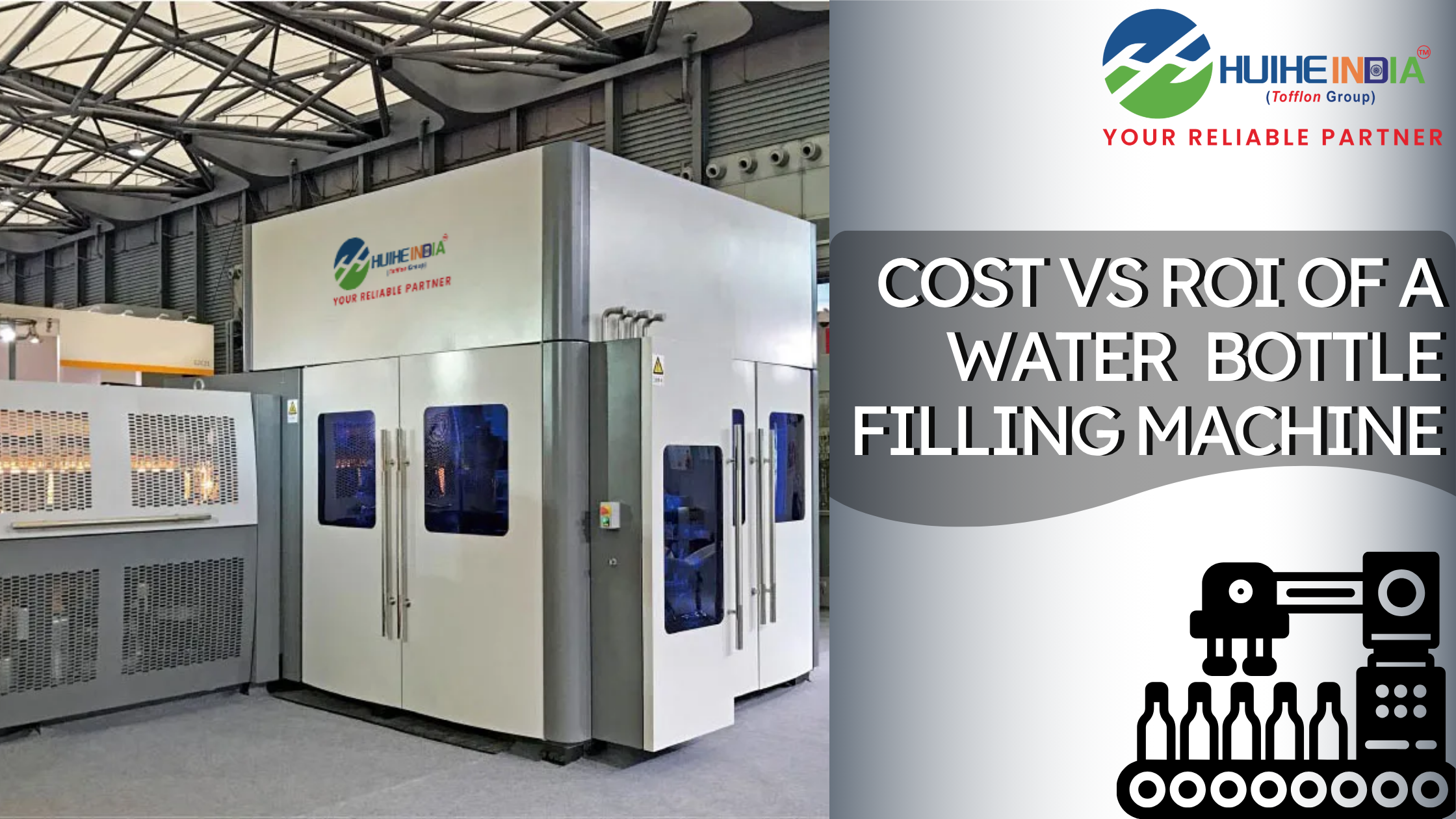
In practical terms, a water filling machine automates the hygienic and accurate transfer of treated water into bottles—typically PET or glass—before the containers proceed seamlessly to capping, labeling and secondary packaging operations.
For production facilities operating at volumes beyond a few thousand bottles per day, manual filling processes often become a constraint, leading to higher downtime, variable fill accuracy and inconsistent line performance. Automated filling systems not only reduce labor dependency but also establish a stable and repeatable production flow that is difficult to achieve through manual operations.
By introducing automation, manufacturers gain greater process control, improved line synchronization and predictable output—creating a structured, high-efficiency production environment suitable for sustained growth.
PLANNING YOUR BOTTLING LINE INVESTMENT: WHAT A WATER FILLING MACHINE REALLY COSTS
Determining the initial capital requirement for a water filling machine is often one of the most critical—and complex—steps in the investment process.
There is no standard or fixed price for a water bottle filling machine, as the final investment depends largely on the selected machine configuration, production capacity and level of automation. The most accurate way to estimate the budget is to evaluate the technical and operational parameters that directly influence system cost.
Key factors that define the investment level include:
- Production capacity and filling speed – Higher output machines require advanced mechanical design and control architecture, resulting in a higher capital cost.
- Control and automation platform – Systems equipped with advanced PLCs, HMI touchscreens and remote diagnostics carry a higher initial investment, while offering greater operational visibility and control.
- Construction standards and hygienic design – The use of high-grade stainless steel, food-contact compliant components, CIP-compatible structures and validated sanitary piping significantly influence the overall price.
- Supplier capability and long-term support – Partnering with an established manufacturer such as Huihe India provides access to professional installation, commissioning, operator training and responsive service support—elements that have a direct impact on long-term operational performance.
Rather than selecting equipment based solely on the lowest purchase price, manufacturers should focus on the value delivered over the machine’s lifecycle—how effectively it reduces downtime, maintains consistent performance and operates reliably with minimal major maintenance over many years of production.
From Capital Spend to Cash Flow: Measuring the ROI of a Water Bottle Filling Machine
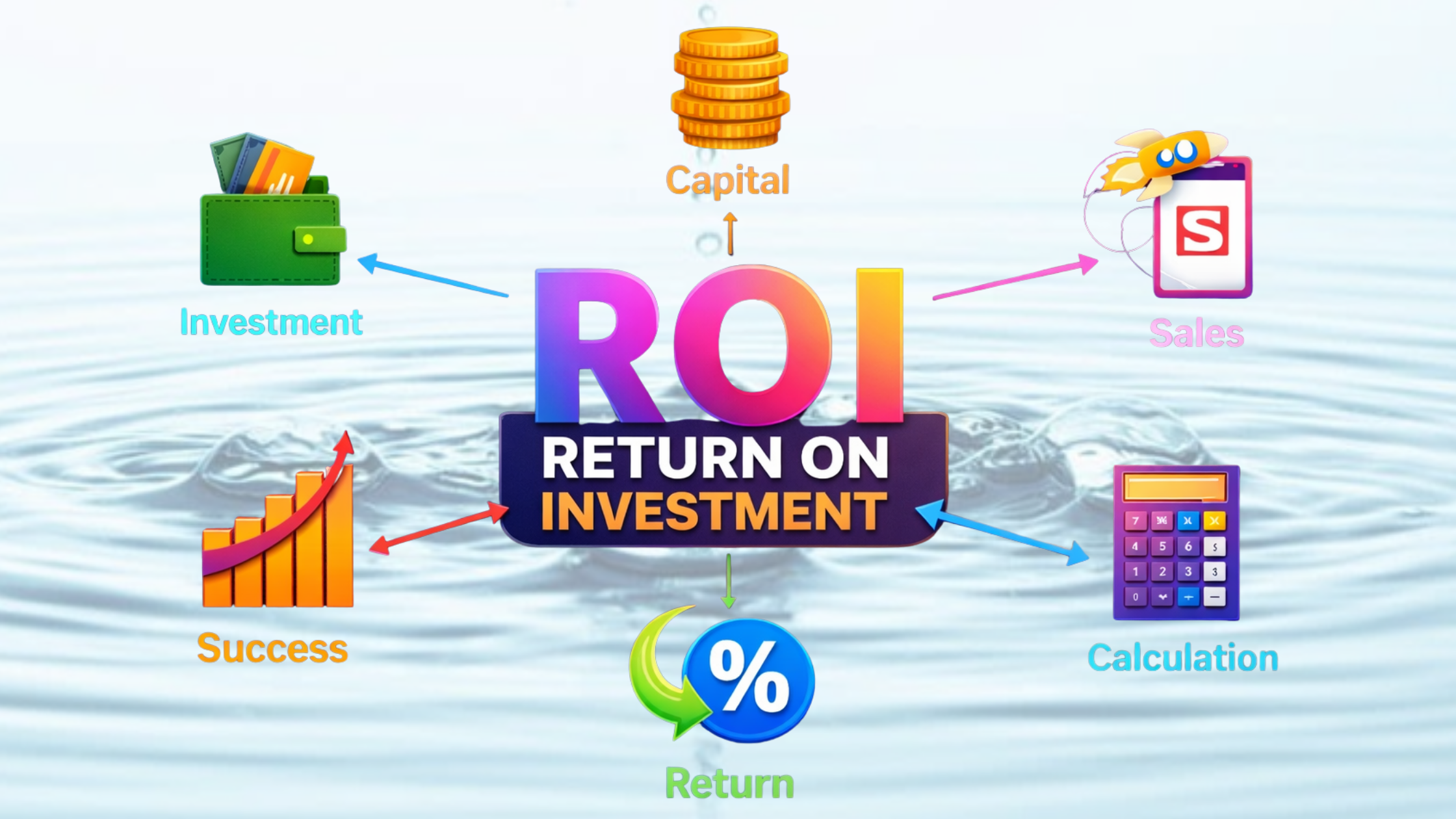
ROI = (Annual Net Profit from Machine – Annual Operating Cost) ÷ Initial Machine Investment
Although the exact ROI timeline depends on production capacity, operational efficiency and market demand, industry experience shows that most beverage manufacturers begin to realize the return on their investment in an automated water bottle filling machine from approximately 18 months onward.
It is important to note that the actual payback period is influenced by several operational variables, including unplanned downtime, seasonal fluctuations in demand, workforce productivity and overall line utilization.
Higher production stability and predictable sales volumes directly accelerate investment recovery. However, this decision should be viewed as a long-term commitment to production reliability, scalability and consistent process control—rather than a short-term cost-saving exercise.
The return on investment can be significantly strengthened when the following conditions are achieved:
- Sustained high daily output (typically exceeding 10,000 bottles per day)
- Reduced dependency on manual labor and associated operating costs
- Lower rejection rates through precise and filling accuracy
- Minimal maintenance interruptions and higher machine availability
- Reduced idle time through efficient line planning and production scheduling
Think ROI, Not Just Cost — Future-Ready Water Bottling Automation with Huihe India
Selecting a water bottle filling machine should never be a trial-and-error decision. At Huihe India, we go beyond equipment supply and work closely with beverage manufacturers to recommend the most suitable solution based on clearly defined operational and business parameters, including:
- Target production capacity and line efficiency requirements
- Available capital investment and plant layout limitations
- Packaging formats, bottle designs and container volume range
- Source water quality and process characteristics
This structured, application-driven approach ensures that every filling solution is precisely aligned with your plant’s performance objectives, compliance needs and long-term growth strategy.