
Key Factors to Consider When Choosing the Right Beverage Filling Machine for Your Business!
In today’s highly competitive manufacturing industry, selecting the right Beverage filling machine is a critical business decision that directly impacts production efficiency, product quality, and overall profitability.
Whether you are packaging water, edible oil, shampoo, lubricants, or sauces, the performance of your filling system plays a vital role in ensuring accuracy, consistency, speed, and brand reliability.
High-speed automated bottling lines, businesses must choose equipment that aligns with their product characteristics, production requirements, and future growth plans.
This guide highlights the key factors to consider when selecting a liquid filling solution that supports operational excellence and long-term business success.
Let us understand What Is a Beverage Filling Machine?
A Beverage filling machine is specialized equipment designed to accurately fill bottles, containers, or packages with a predetermined quantity of liquid.
It ensures consistent filling accuracy, minimizes product wastage, reduces manual effort and production time, and maintains high hygiene standards throughout the process.
By automating the filling operation, businesses can improve efficiency, achieve scalable production, and maintain consistent product quality across every bottle.
Understanding Your Liquid Type: Viscosity and Flow Characteristics
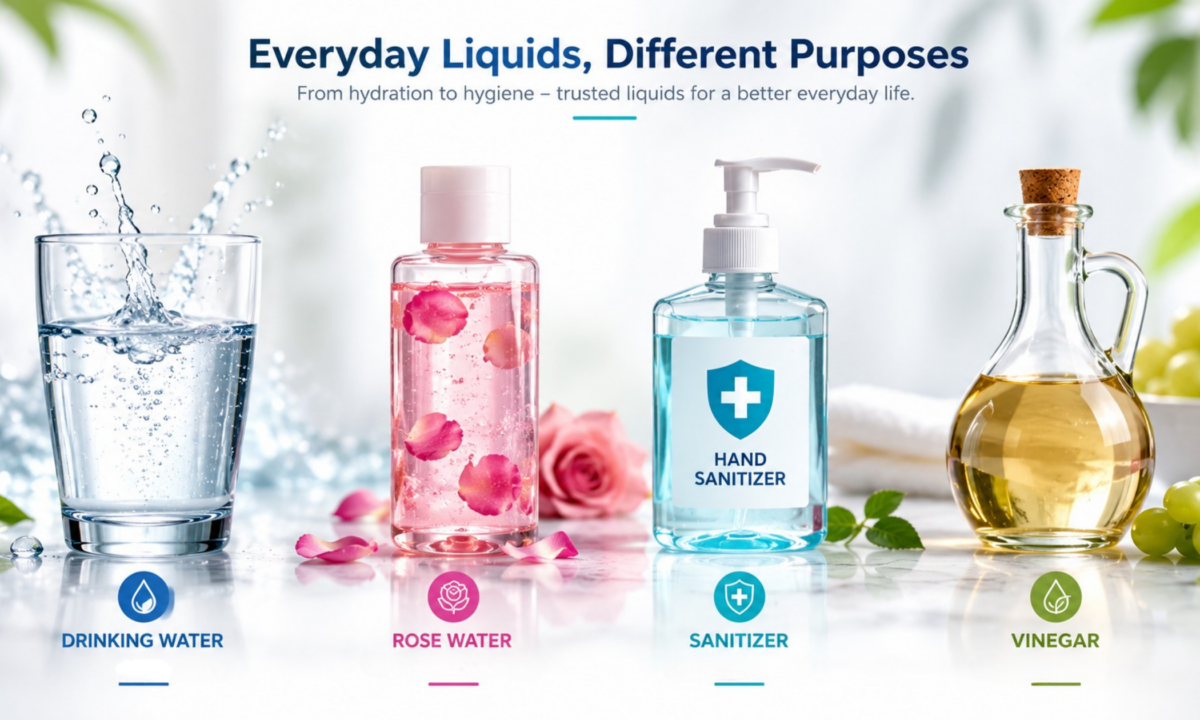
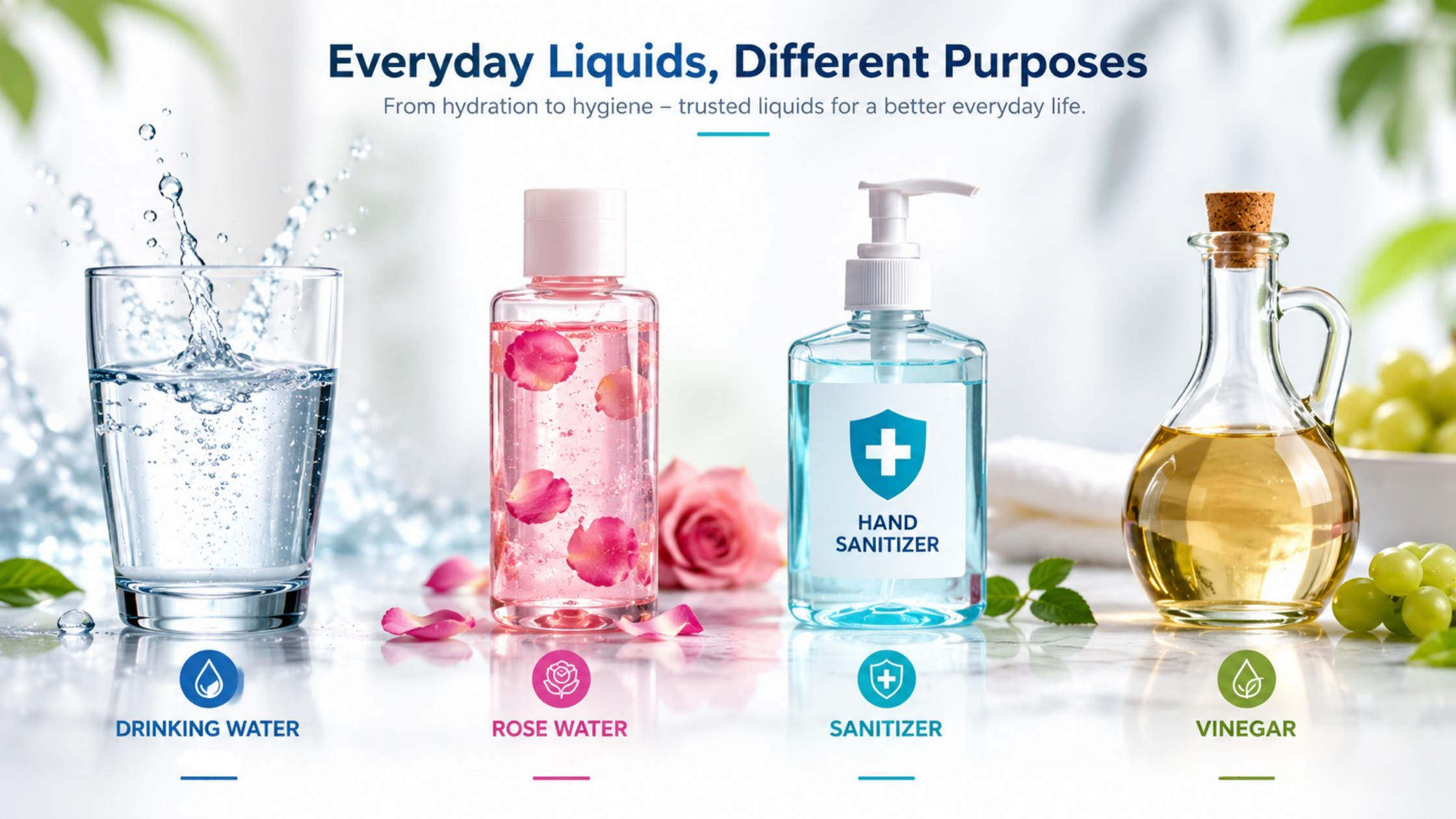
Thin Viscosity Liquids (Water-Like Products)
For example: Drinking water, Rose water, Sanitizer, Vinegar, etc.
Best Filling machines: Gravity filler, Overflow filler, Pump filler.
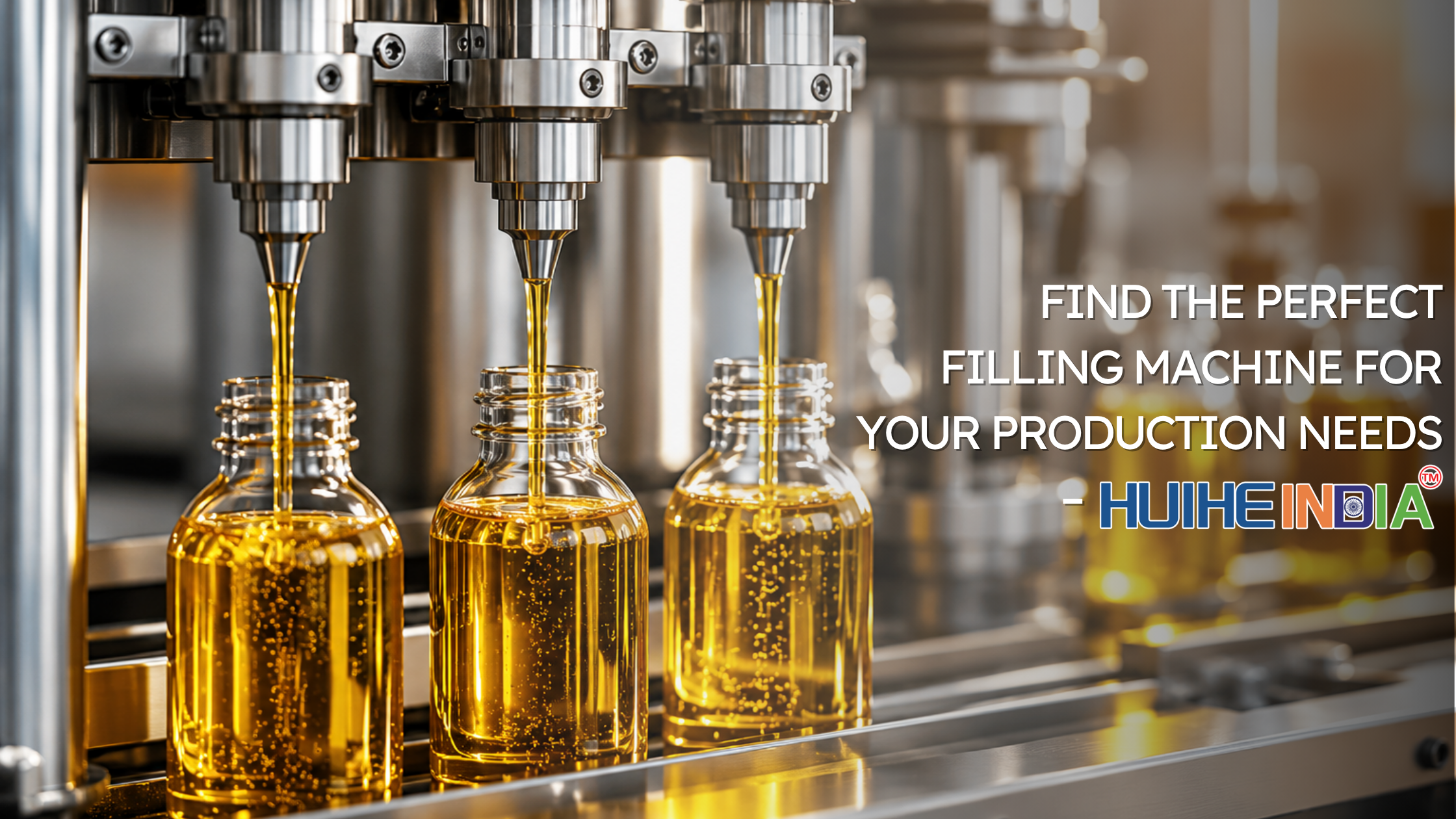
Medium Viscosity Liquids (oil-like Products)
For example: Edible oil, Hair oil, Essential oil, Lubricant oil, etc.
Best Filling machines: Piston filling, Pump filling, Servo filling.
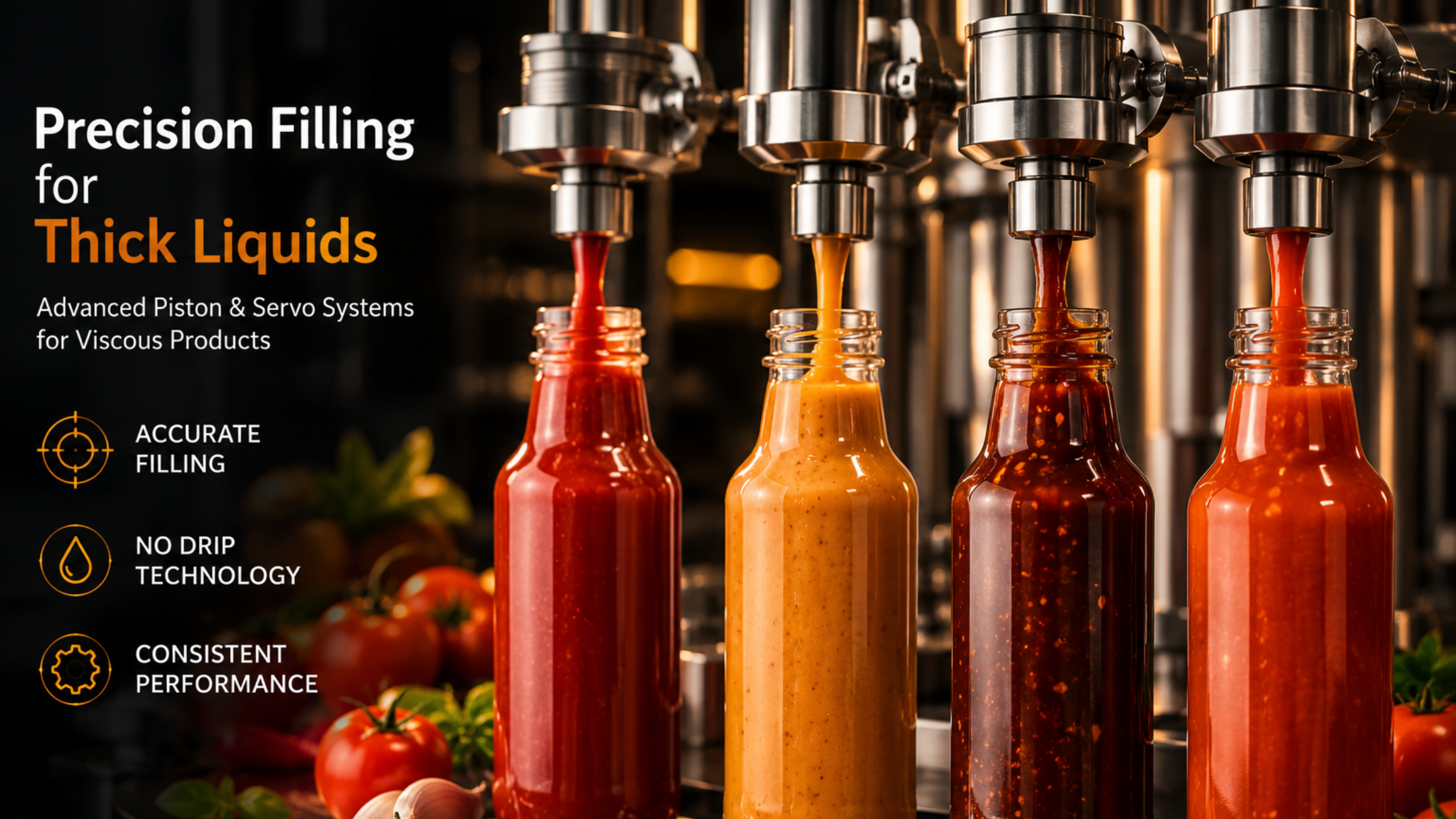
Thick Viscosity Liquids
For example: Shampoo, Lotion, Honey, Sauces, etc.
Best Filling machines: Piston filling, Pneumatic filling, Servo filling.
Choosing the Most Effective Automation Level
In manufacturing operations, automation decisions often fail at either extreme: excessive early investment in underutilized capacity, or insufficient automation that leads to production delays, quality variation, and operational strain. The appropriate automation level should align with current throughput targets, labor availability, and quality benchmarks, while maintaining scalability for future expansion.
Determining Your Actual Production Capacity Requirements
Actual production depends on
- Product viscosity
- Container or bottle size
- Number of filling nozzles
- Operator efficiency and skill level
- Cleaning, maintenance, and changeover downtime
When Clean-in-Place (CIP) Systems Become Essential
CIP cleaning is especially important in operations involving:
- Edible oil filling systems
- Food and beverage manufacturing
- Contract and multi-product production environments
Even when a fully automated CIP system is not required, equipment designed for quick and efficient cleaning can significantly reduce downtime and improve operational efficiency.
Driving the Next Generation of Production Efficiency with Huihe India
From Greenfield projects to high-capacity manufacturing facilities, choosing the appropriate liquid filling and packaging machinery plays a vital role in operational success.
A well-designed solution improves line efficiency, maintains product consistency, minimizes operational challenges, and supports scalable growth as market demands continue to evolve.
At Huihe India, we combine advanced engineering with industry expertise to deliver next-generation beverage packaging solutions.
Our focus is on helping manufacturers achieve higher productivity, operational reliability, and long-term value through innovative and tailored to modern production requirements.